
Practical Tips
Short, useful notes for your garden
General tips from Altay Botanic Kabakça Nursery on plant care, planting, soil, firewood and charcoal.
Garden guide
Knowing is half of growing
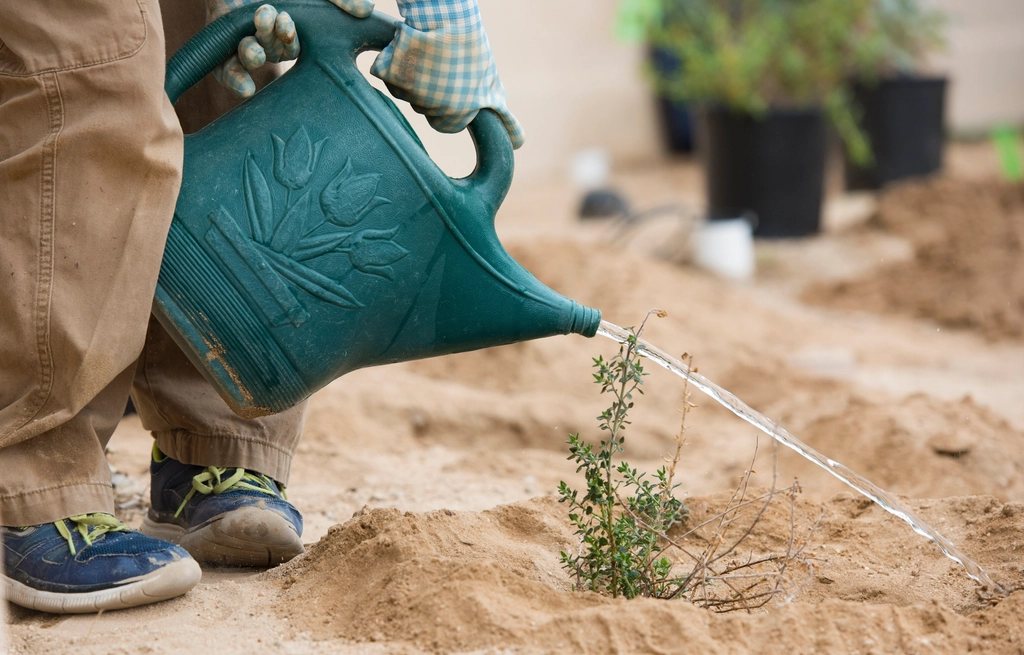
Seasonal care & watering
- Spring: As growth starts, loosen the soil, feed with mature compost or well-rotted manure, and water more as it warms up.
- Summer: Water early in the morning or in the evening. Deep, less frequent watering encourages deeper roots than little and often. Mulch (straw, bark, stone) holds moisture.
- Autumn: A good time to plant saplings and bulbs. Collect fallen leaves for compost.
- Winter: Water less, move pots to a sheltered spot away from wind and frost, and avoid watering on freezing days.
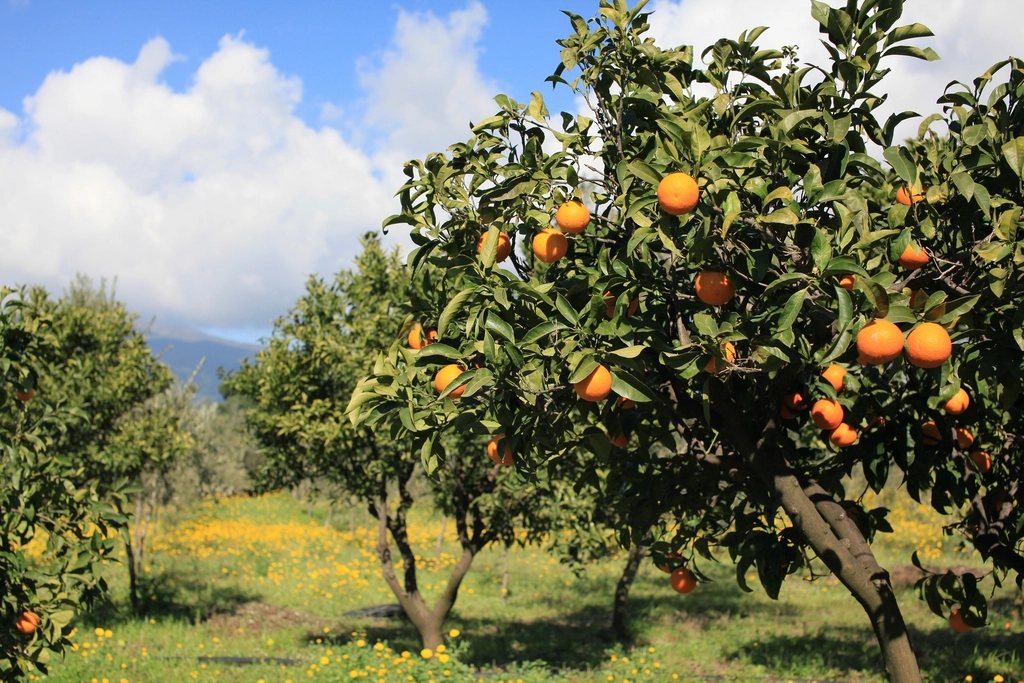
Planting a fruit sapling
- When? Usually after leaf fall, from autumn until growth resumes in spring — while the ground isn’t frozen.
- The hole: About 50–60 cm deep and wide; keep the fertile topsoil and the subsoil in separate piles.
- Prepare: Trim broken, crushed or dried roots with clean secateurs.
- Manure: Use only well-rotted manure mixed into the topsoil — it should not touch the roots directly.
- Planting: Keep the graft union a few centimetres (about 5–10 cm) above the soil and firm the soil well around the roots.
- First watering: Water generously straight after planting and support the sapling with a stake against the wind.
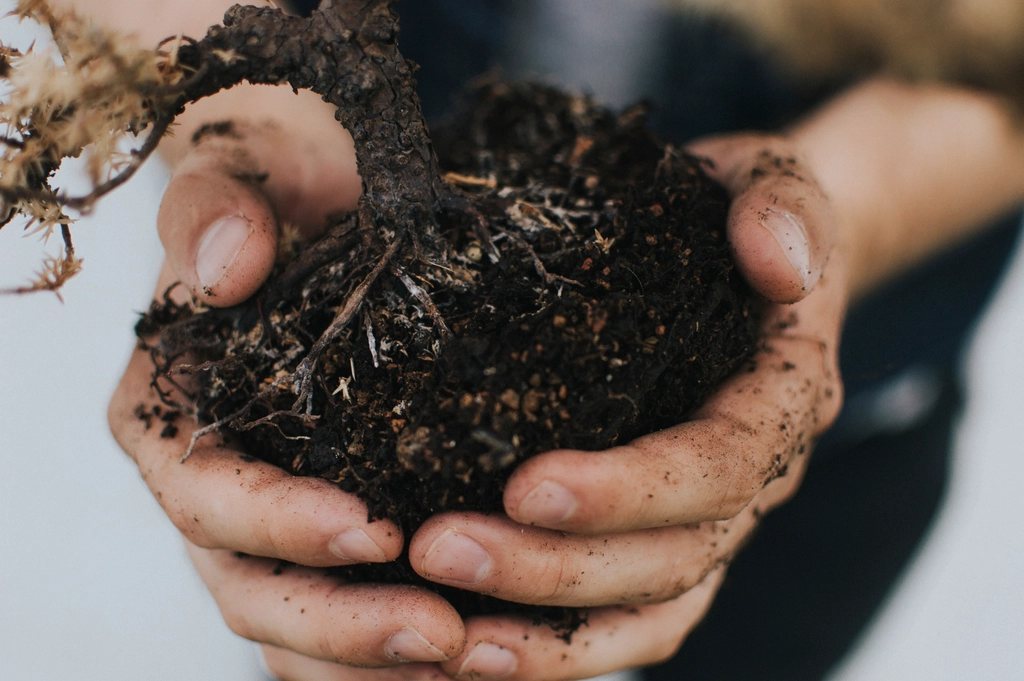
Potting mix & soil types
- Sandy soil drains fast and dries quickly; clay soil holds water but can compact; loam is a balanced texture for most plants.
- In pots, rather than plain garden soil, use a mix lightened with compost, peat and perlite.
- Make sure every pot has a drainage hole and empty standing water from saucers.
- Cacti and succulents prefer a freer-draining, gritty mix.
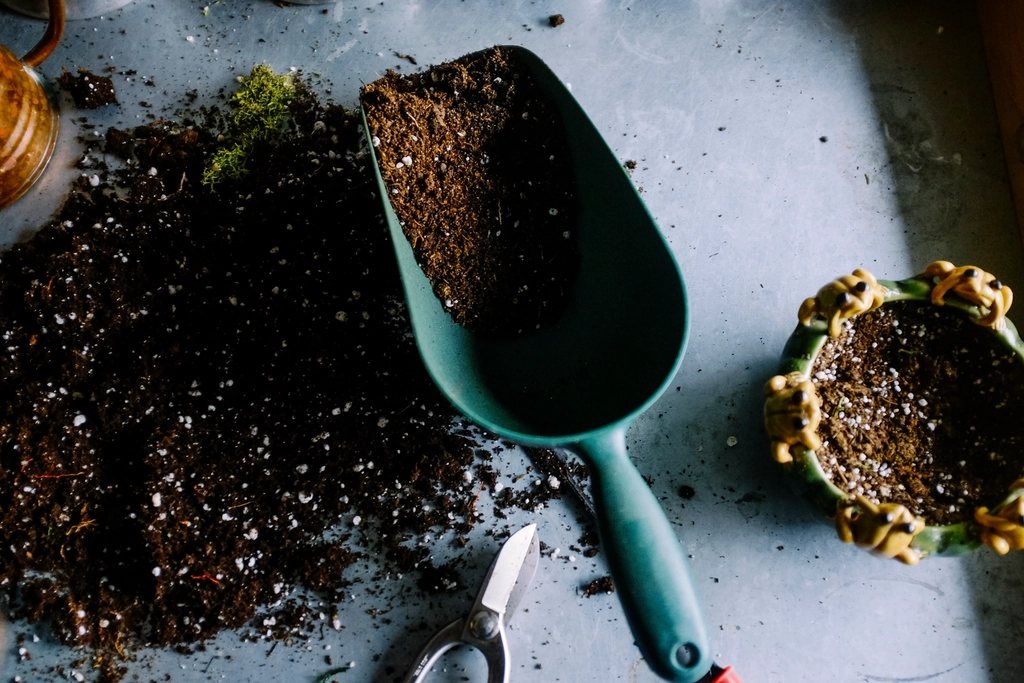
Organic fertiliser & compost
- Always use manure that is well rotted; fresh manure can burn plants and may carry weed seeds and disease.
- For compost, balance green materials (fruit and veg scraps, grass clippings) with brown ones (dry leaves, straw, cardboard).
- Keep the heap moist but not wet and turn it from time to time to let air in.
- Leave meat, dairy and oily food waste out of the compost heap.
- Mature compost is dark, crumbly and smells of earth.
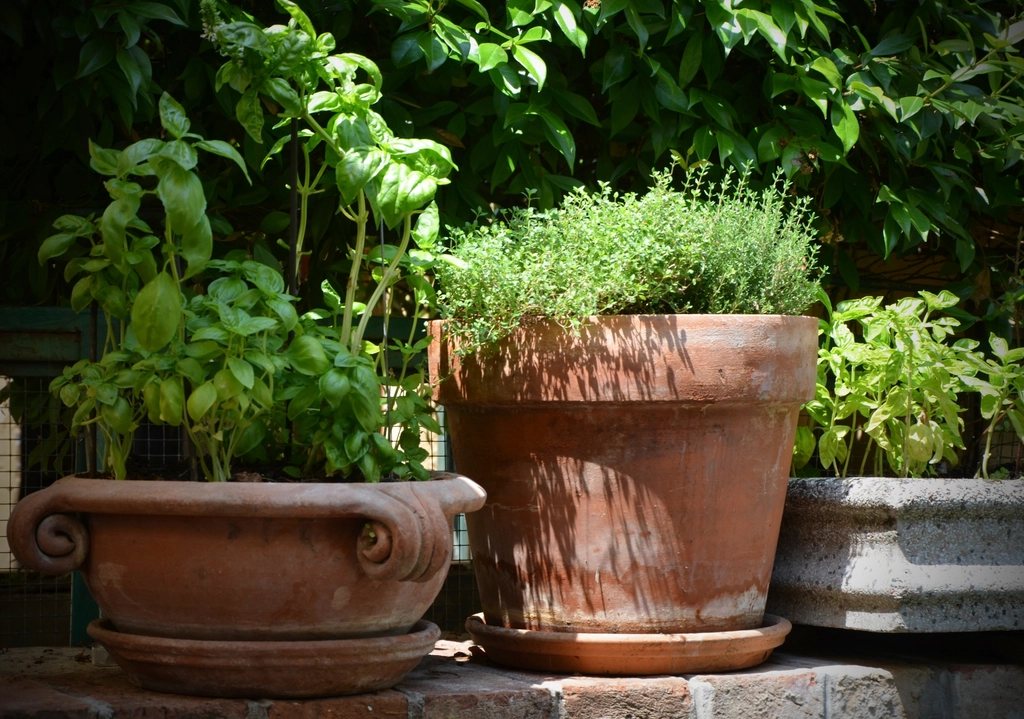
Houseplants: light & water
- Most houseplants like bright but indirect light; strong summer midday sun can scorch leaves.
- Check with your finger before watering: water when the top 2–3 cm of soil is dry.
- Overwatering is the most common houseplant problem — don’t leave water in the saucer.
- Growth slows in winter: water less and keep plants away from radiators.

Using decorative stones in the garden
- They give paths and borders a tidy, low-maintenance look.
- As mulch around plants they help keep moisture in and reduce weeds; a geotextile layer underneath helps.
- On top of pots they look good and slow down drying.
- Choose colour and size to suit your plants and façade; light stones reflect more sun.
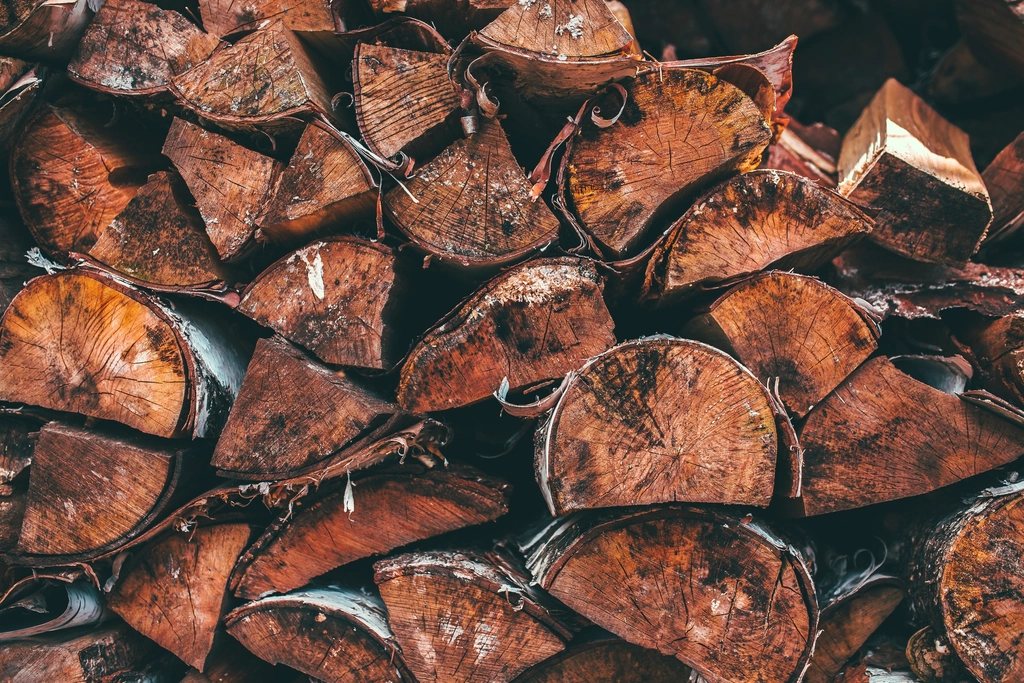
Choosing firewood
- Burn dry wood: a moisture content below about 20% is recommended. Green wood gives less heat, more smoke and more chimney deposits.
- Signs of dry wood: cracks on the ends, lighter weight and a clear ‘clack’ rather than a dull thud when two pieces are knocked together.
- Hardwoods such as oak burn slowly and long; softwoods such as pine catch quickly and are good for kindling.
- Stack wood off the ground, covered on top but open at the sides for airflow.
- Never burn painted, varnished or treated timber, and have your chimney checked and swept regularly.
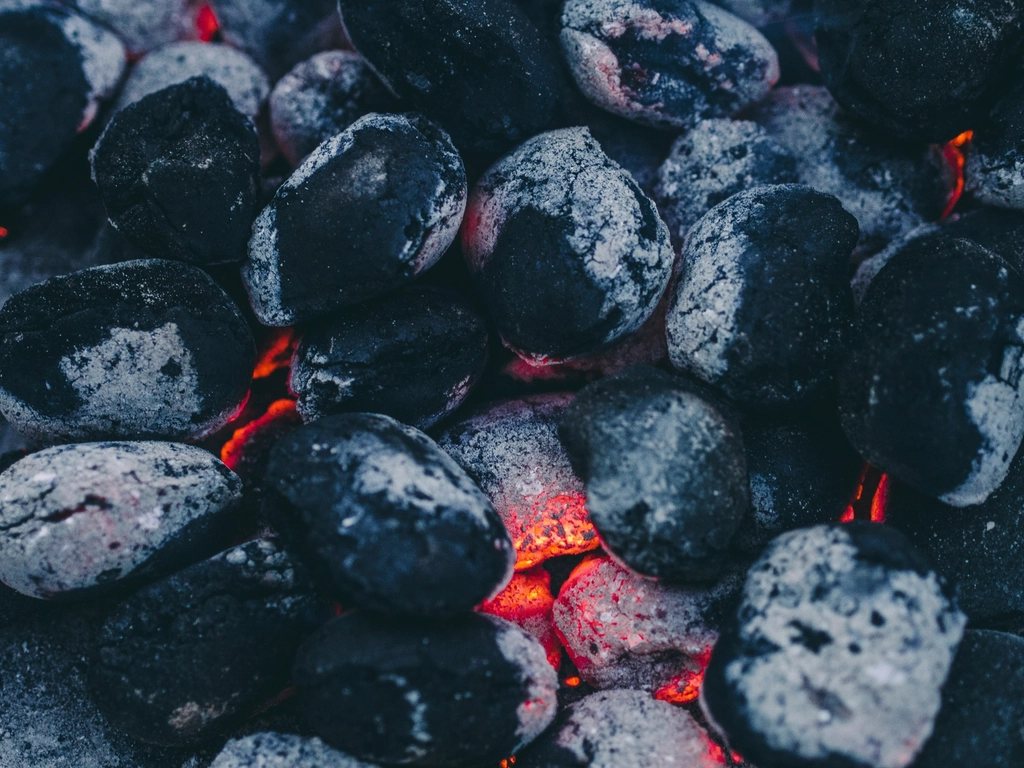
Barbecue charcoal: lighting & safety
- Only light a barbecue outdoors. Charcoal burned indoors, in enclosed spaces or tents can cause carbon monoxide poisoning.
- Never use petrol, thinner or similar liquids to light it; a chimney starter or firelighter cubes are safer.
- Start cooking once the coals are covered in fine white ash — flames will burn food.
- Set the grill on level ground away from flammable materials and branches; keep children and pets away.
- Let ashes cool completely, keep them in a metal container and never throw them away hot.
Seasonal calendar
What to do, month by month
A general guide for the Marmara / Istanbul climate; timing can shift by a few weeks each year depending on the weather and your garden’s position.
January – February
Winter pruning of fruit trees (on frost-free days), planting bare-root saplings, garden planning and checking your firewood stock.
March – April
Soil preparation and compost; cool-season crops such as lettuce, spinach and radish; sowing lawns; raising seedlings.
Late April – May
Once the risk of frost has passed: planting out tomatoes, peppers, aubergines and courgettes; summer bedding.
June – August
Regular deep watering, mulching and harvesting; avoid planting or spraying in the heat of the day.
September – October
Winter vegetables such as cabbage, leeks and spinach; planting bulbs like tulips, daffodils and hyacinths; composting leaves.
November – December
Planting fruit saplings and trees after leaf fall; protecting pots from frost; stocking up on dry firewood and charcoal.
Sources
The information on this page is general guidance written in our own words, drawing on the sources below; it is not a substitute for expert advice.
- Türk Tarım Orman Dergisi – Doğru fidan seçimi ve dikim
- T.C. Tarım ve Orman Bakanlığı Erzincan İl Müdürlüğü – Fidan Alırken Dikkat!
- T.C. Tarım ve Orman Bakanlığı Samsun İl Müdürlüğü – Meyve Fidanlarının Toprakla Buluşma Zamanı
- University of Illinois Extension – Firewood burning safety
- US EPA – Best Wood-Burning Practices
- U.S. CPSC – Charcoal & carbon monoxide
- Mass.gov – Grilling safety
- Royal Horticultural Society – Composting
Images: CC0 (public domain) photos via rawpixel.com and stocksnap.io.